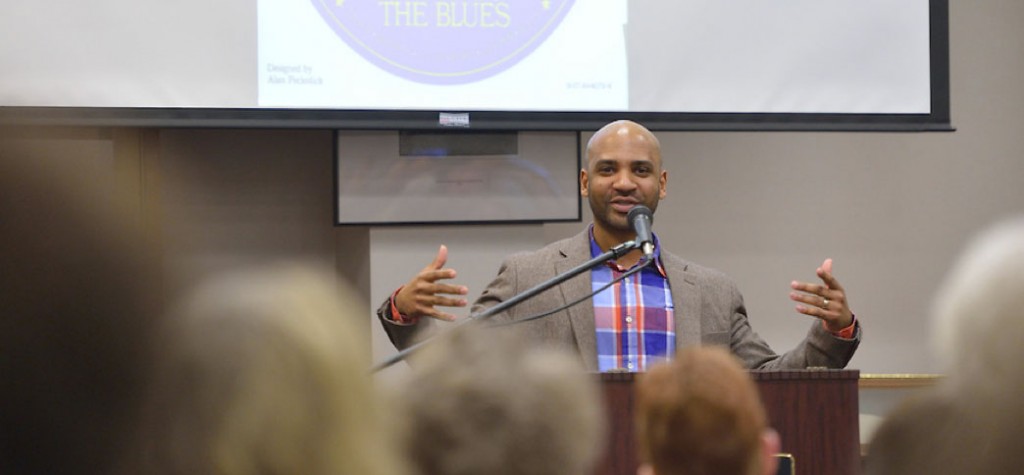
Derrick Harriell, Otillie Schillig Associate Professor of English, African American Studies, and Creative Writing, speaks at the Oxford Conference for the Book.
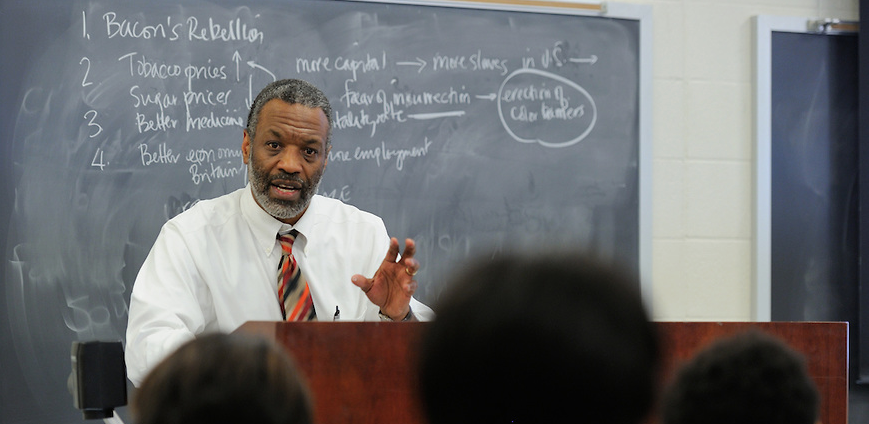
Kirk Johnson, associate professor of sociology and African American Studies
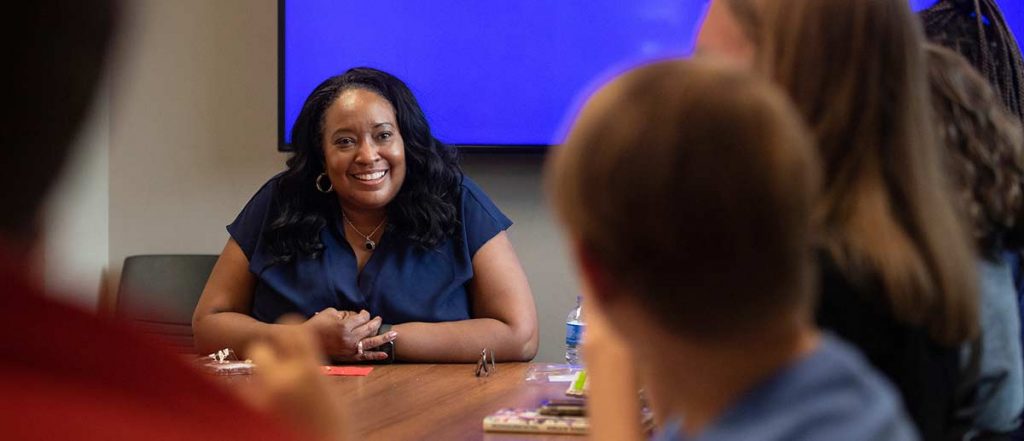
Ethel Young-Scurlock, associate professor of English and African American Studies and Dean of the Sally McDonnell Barksdale Honors College, with students.
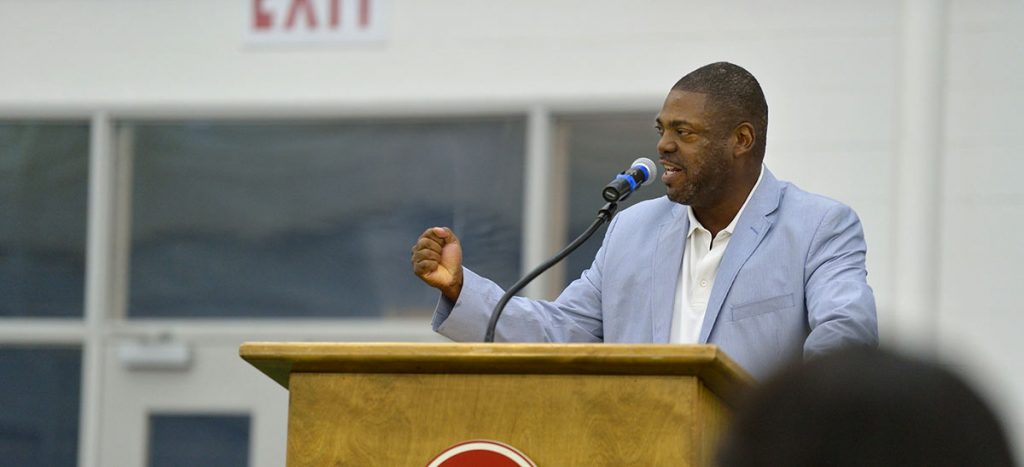
Professor Charles Ross speaks at The Mississippi Outreach to Scholastic Talent (MOST) Mentoring Program conference.

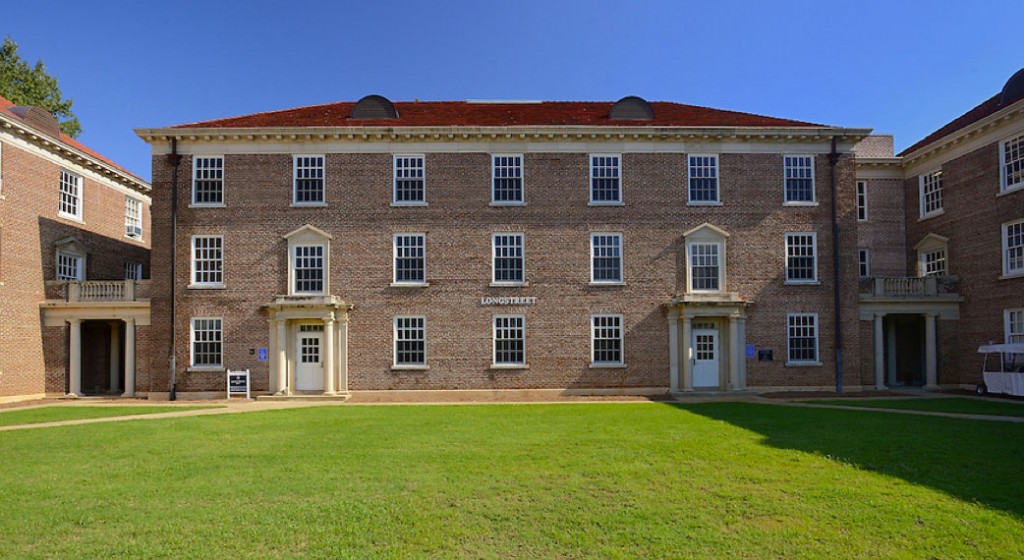
Longstreet Hall is the home of the African American Studies Program.
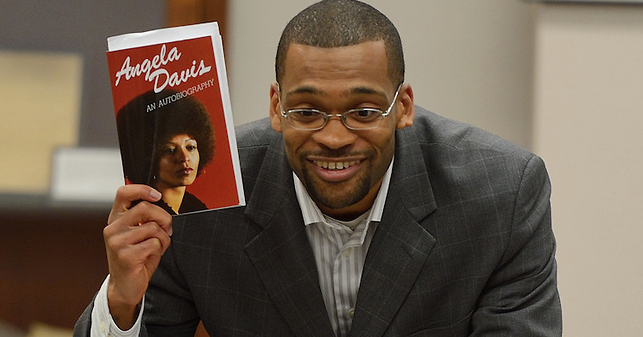
Patrick Alexander, associate professor of English and African American Studies, discusses the work of Angela Davis and her use of 'up words.'
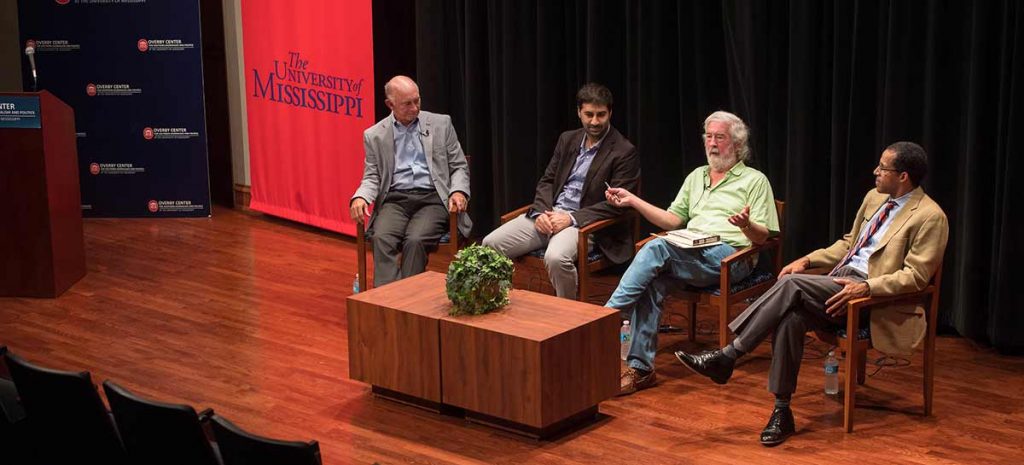
Marvin King (right), associate professor of political science and African American Studies and Senior Fellow of the Residential College South, participates in a panel at the Overby Center.
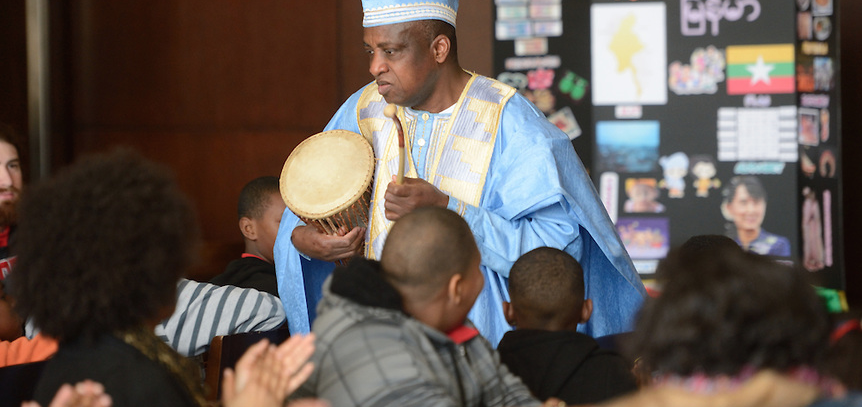
George Dor, professor of music, discusses international culture and music with students.
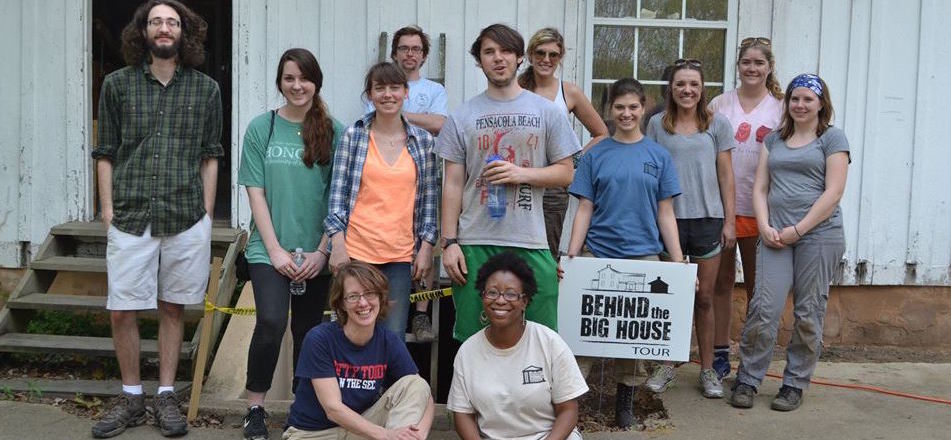
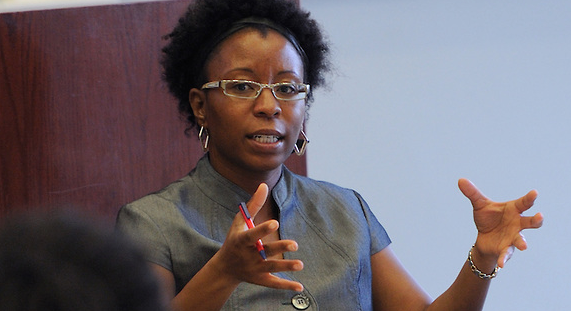
Jodi Skipper, associate professor of anthropology and Southern Studies