






Jason Ritchie
Associate Professor
|
Contact Information
Office: 309 Coulter Hall
Phone: 662-915-5329
Email: jritchie AT olemiss.edu
Educational and Professional Background
B.S., University of California, San Diego, 1994 Ph.D., University of Texas at Austin, 1998 Postdoctoral Fellow, University of North Carolina, 1998-2000
Assistant Professor, The University of Mississippi, 2000-2006
Associate Professor, The University of Mississippi, 2006-present
Research Interests: Synthesis of new polymeric electrolytes, structure conductivity relationships in polymeric electrolytes, proton exchange membrane (PEM) fuel cell electrolytes, solid lithium ion conducting polymer electrolytes |
Group Webpage
http://home.olemiss.edu/~jritchie/
Research Summary
My group seeks
to understand how the molecular structure of an
ion-conducting polymer affects its electrochemical properties. We are
interested in creating and studying new materials that conduct Li+ and H+
cations for potential applications in lithium-ion batteries and proton
exchange membrane (PEM) fuel cells. We are developing new methods of
synthesizing electrolyte materials, and conducting experiments to
elucidate the fundamental mechanisms of H+ and Li+ transport in these materials.
The
potential applications of polymeric electrolyte materials designed for
electrochemical power sources are huge. Unfortunately, only a few
research groups are investigating new ways to prepare polymeric
electrolytes. In order to realize the next generation of electrolyte
materials, we need to develop new methods of materials synthesis. Many
challenges remain unsolved in the field of polymer electrolytes,
including finding new materials that display substantial anhydrous
proton conductivity at elevated temperatures with reduced
electroosmotic drag-induced fuel crossover.
We create our
electrolytes by synthetically attaching an oligomeric
mono-methyl polyethylene glycol (PEG) to a sol-gel polymerizable unit
(Figure 1). The oligomeric PEG is a viscous liquid known for their
ability to dissolve and conduct small cations. In addition, the PEG
imparts disorder to the resulting polymer. While, there has been
considerable effort in the sol-gel synthesis of new materials for fuel
cells and batteries, most of the electrolyte work has centered on the
synthesis of ceramic electrolytes for Solid Oxide Fuel Cells. The
sol-gel synthesis of "soft" electrolytes (i.e. hybrid inorganic/organic
systems) is virtually unexplored. My group focuses on the chemical
tailoring of the properties of the electrolyte itself, in order to
study the relationship between the electrolyte’s structure and
electrochemical properties.
The first
objective of this research is to elucidate the physical
properties of the MePEG polymer that affect the observed
electrochemical properties. In order to understand the physical
properties of the MePEG polymer that lead to conductivity, we will:
- develop
reliable methods for the measurement of the MePEG polymer's molecular
weight and polydispersity index,
- investigate
the relationship between the MePEG polymer’s structure and
conductivity properties, as a function of polymerization and branching,
- determine
the dependence of conductivity on structure by artificially altering
the structure of the polymer,
- examining
thermal stability, and characterize glass transition temperatures (Tg)
in these polymers to determine how segmental motions lead to Li+
transport and Grotthuss H+ transport.
We are seeking
to gain a fundamental understanding of how the mechanism
of proton conductivity contribute to ion transport in the MePEG
polymer. Here, there are two general mechanisms for proton
conductivity: the vehicle mechanism (which relies on the physical
transport of a vehicle to move protons) and the Grotthuss mechanism
(which involves the proton being handed off from one hydrogen bonding
site to another). The Grotthuss mechanism is very similar to Li+
conductivity through segmental motions as it relies on the rate of
polymer reorganization, while the vehicle mechanism is governed by the
rate of physical diffusion of the vehicle. Understanding how molecules
and ions travel through polymeric electrolytes is a fundamental
question of great significance.
The second
objective of this research is to understand the mechanism of
cation conductivity and small molecule diffusion in the MePEG polymer.
We hypothesize that both the Grotthuss mechanism and the vehicle
mechanism for proton conductivity are operating in mixtures of MePEG7SO3H
and the MePEG polymer. To understand the fundamental mechanism of
conductivity, we will:
- use
isotopic and ionic substitution to determine the contribution of the
Grotthuss mechanism in these electrolytes
- probe the
vehicle mechanism of conductivity by comparing the conductivity and
activation barriers with different sized vehicles
- correlate
the viscosity of the MePEG polymer with the physical diffusion of small
redox active molecules
- understand
how the structural details of the polymer affect the susceptibility to
electroosmotic drag of small redox active molecules
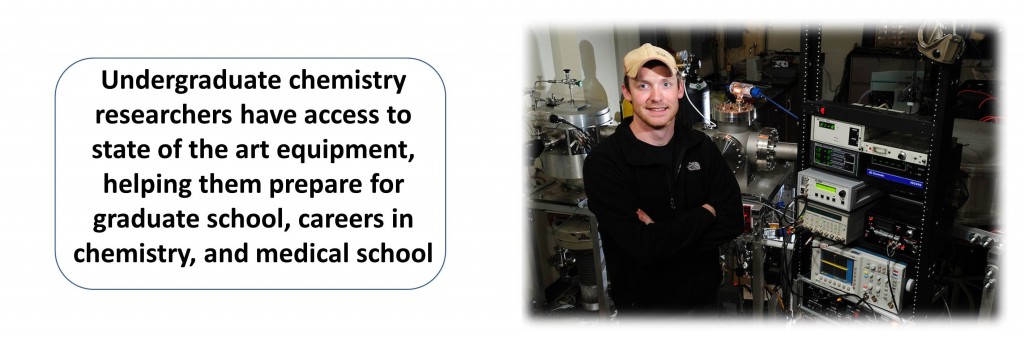
My co-workers
will receive a broad exposure to the fields of
electrochemistry and solid-state inorganic chemistry. This broad,
inter-disciplinary training will prepare students in my group for a
successful career in industry or academia. Students in my laboratory
will become familiar with many different analytical techniques common
to solid-state chemistry, inorganic chemistry, and
electrochemistry. Some of the techniques that we commonly perform
include chemical reactions under inert-atmosphere conditions using
standard Schlenk techniques, solid-state synthetic reactions, and
electrochemical and conductivity experiments.
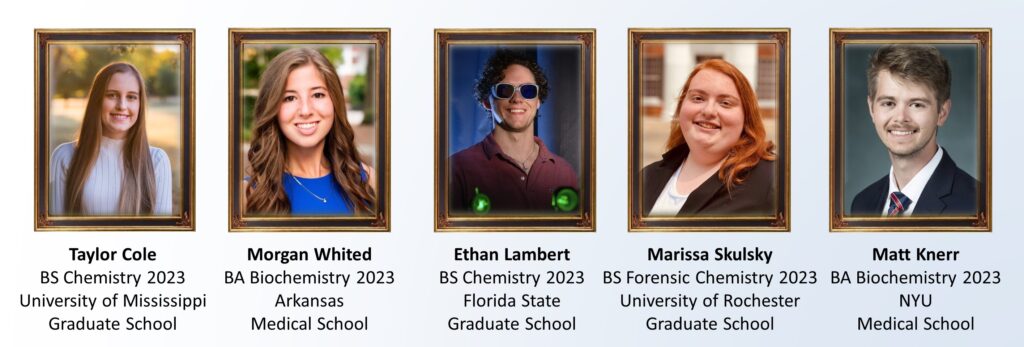
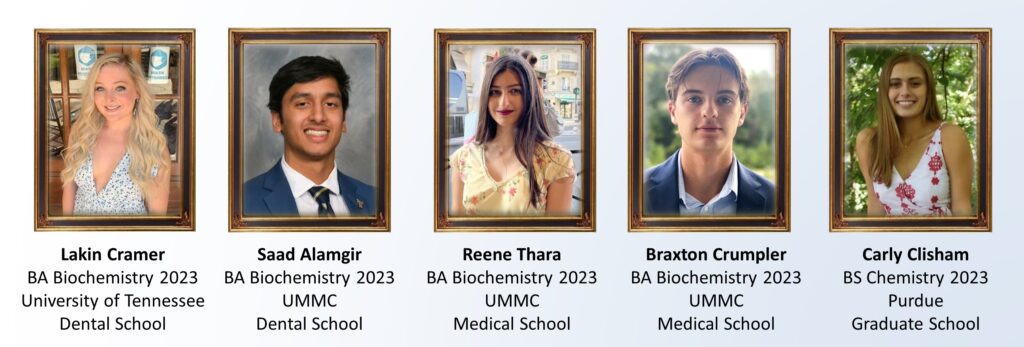
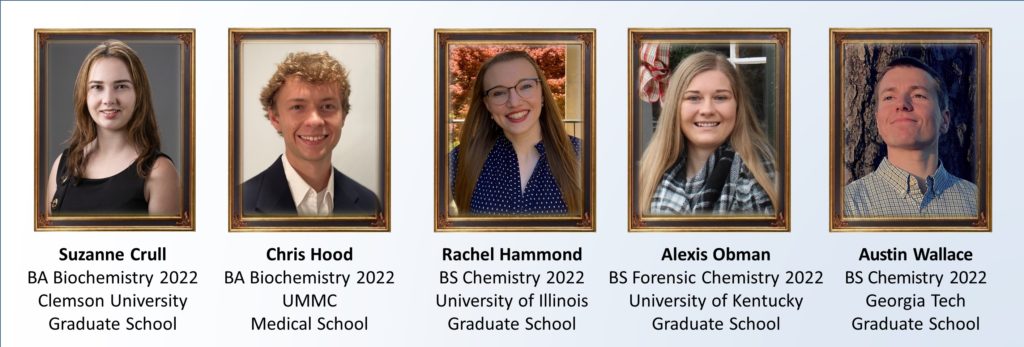
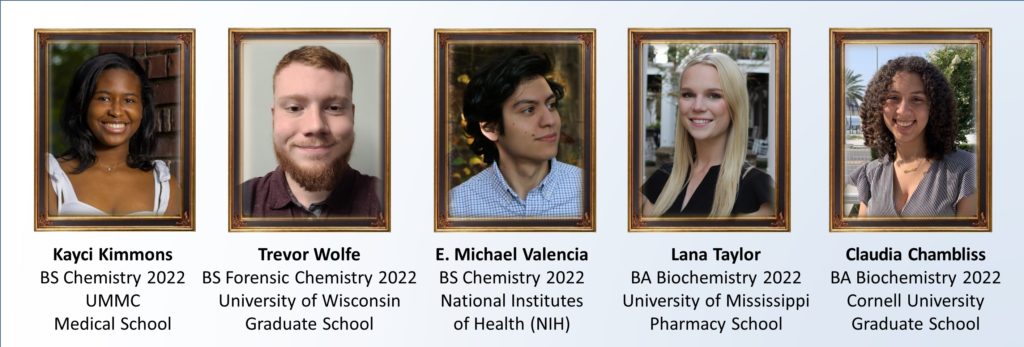
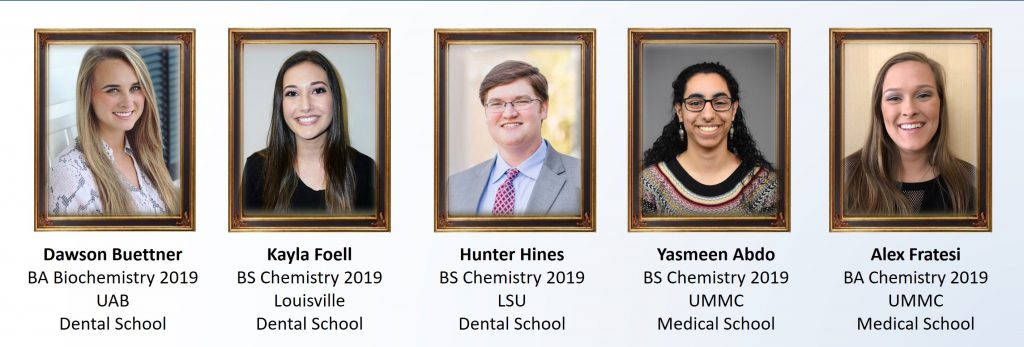
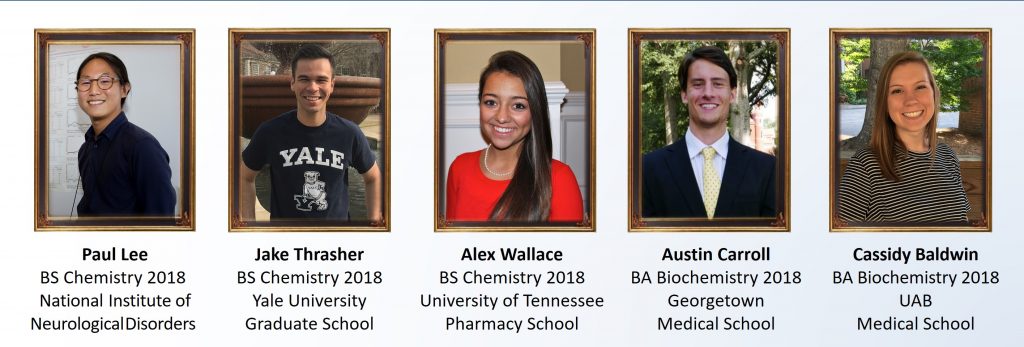
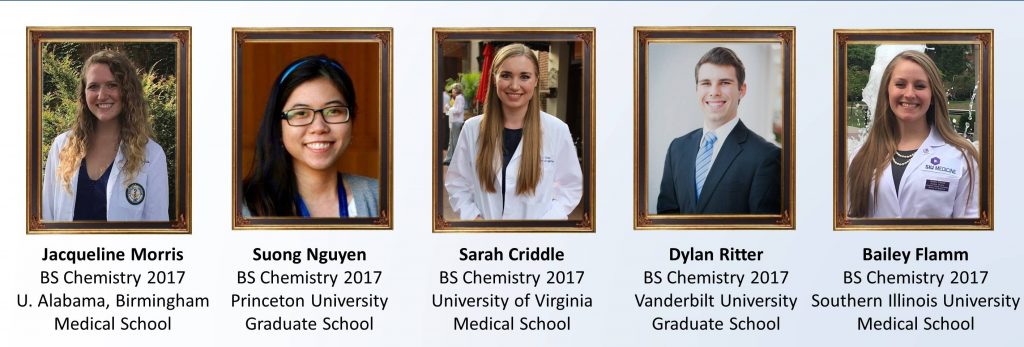
Meet my research group
Jason's Homepage: http://home.olemiss.edu/~jritchie/
Jason's Curriculum
Vitae
Jason Ritchie's Teaching Portfolio
Recent Publications
Jason E. Ritchie (2006) “Electronic and Electrochemical Applications of Hybrid Materials”, in Hybrid Materials: Synthesis, Characterization, and Applications; edited by Guido Kickelbick, Wiley-VCH, published December 2006 (
Book Link)
Braja D. Ghosh, Kyle F. Lott, Jason E. Ritchie (2006) “Structural Characterization of a Sol-Gel prepared Anhydrous Proton Conducting Electrolyte”, Chemistry of Materials, 18(2), 504-509 (
Article Link,
Free Reprint)
Kyle F. Lott, Braja D. Ghosh, Jason E. Ritchie (2006) “Understanding the Mechanism of Ionic Conductivity in an Anhydrous Proton Conducting Electrolyte through Measurements of Single-ion Diffusion Coefficients”, Journal of the Electrochemical Society, 153 (11), A2044-2048 (
Article Link)
Braja D. Ghosh, Kyle F. Lott, Jason E. Ritchie (2005) “Conductivity Dependence of PEG Content in an Anhydrous Proton Conducting Sol-Gel Electrolyte”, Chemistry of Materials; 17, 661-669 (
Article Link,
Free Reprint)
Kyle F. Lott, Braja Ghosh, Jason E. Ritchie (2005) “Measurement of Anion Diffusion and Transference Numbers in an Anhydrous Proton Conducting Electrolyte”, Electrochemical and Solid-State Letters; 8(10), A513-A515 (
Article Link)
Jason E. Ritchie and Jeffrey A. Crisp (2003) “A Sol-Gel Synthesis of Polyether Based Proton Conducting Electrolytes”, Analytica Chimica Acta; 496, 65-71 (
Article Link)