
-
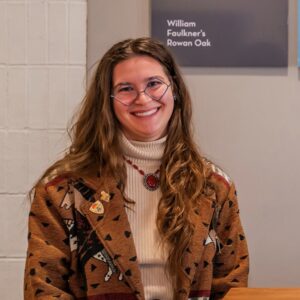
Past Meets Present for Museum Project Manager
April 16th, 2024 -
Giving Day is here!
April 9th, 2024 -
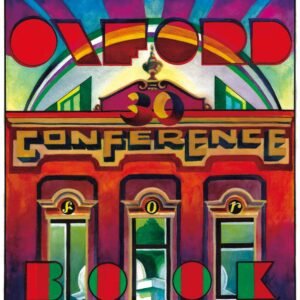
Oxford Conference for the Book turns 30
March 19th, 2024 -
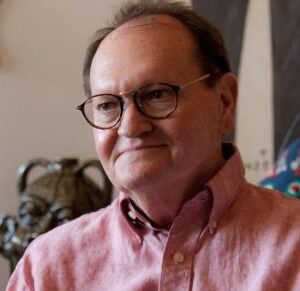
Charles Reagan Wilson accepts Lifetime Achievement Award
March 7th, 2024 -
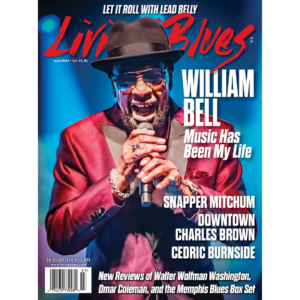
Living Blues features William Bell
March 7th, 2024 -

Schedule for Forum on Race and Ethnicity
February 9th, 2024
Apr
23
Tue
4:00 pm
SouthTalks: All Roads Lead to Ho...
@ Barnard Observatory
SouthTalks: All Roads Lead to Ho...
@ Barnard Observatory
Apr 23 @ 4:00 pm – 5:00 pm
All Roads Lead to Holmes: Voices of Holmes County Oral History Project Film and Panel with Al Povall, Ora Reed, Phil Cohen, and Friends of Lexington Preservation Tuesday, April 23 at 4 p.m. in Barnard Observatory All Roads Lead to Holmes: Voices of Holmes County is a documentary project directed by Ed Ellington and produced by the Friends …
Apr
24
Wed
12:00 pm
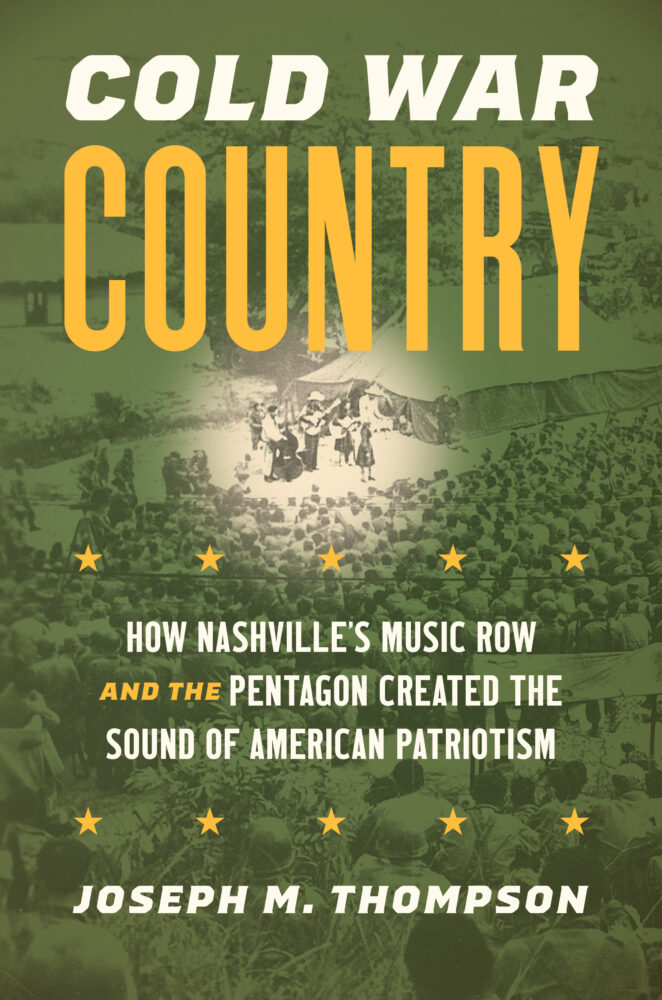
SouthTalks: “Cold War Country: M...
@ Barnard Observatory
SouthTalks: “Cold War Country: M...
@ Barnard Observatory
Apr 24 @ 12:00 pm – 1:00 pm
“Cold War Country: Music Row, the Pentagon, and the Sound of American Patriotism” Joseph M. Thompson Country music maintains a unique, decades-long relationship to the US military, but these ties didn’t just happen. Joseph M. Thompson explores how country music’s Nashville-based business leaders on Music Row created partnerships with the Pentagon to sell their audiences …
May
1
Wed
12:00 pm
SouthTalks: “Faulkner’s Enduring...
@ Barnard Observatory
SouthTalks: “Faulkner’s Enduring...
@ Barnard Observatory
May 1 @ 12:00 pm – 1:00 pm
Phillip “Pip” Gordon, UM visiting assistant professor of gender studies in the Sarah Isom Center for Women’s and Gender Studies, discusses “Faulkner’s Enduring Queerness” at noon May 1. Gordon discusses Faulkner’s relevance to broadening fields of trans and ace studies and the value such approaches have to our understanding of Faulkner and the South. SouthTalks …
May
3
Fri
6:00 pm
Spring Documentary Showcase
@ Barnard Observatory
Spring Documentary Showcase
@ Barnard Observatory
May 3 @ 6:00 pm – 7:00 pm
Gammill Gallery and Tupelo Room Barnard Observatory Spring Documentary Showcase The Spring Documentary Showcase is a celebration of the work by our documentary students. Each artist will present their work. Attendees will have an opportunity to engage with the artists and their work during a reception.
Center Institutes

The Center has three institutes which study the South through a variety of lenses. Click the logos above to find out more about each institute.
Support
Gifts to the Center benefit teaching, publications, and outreach at the first interdisciplinary research center dedicated to the American South.
Make a gift